













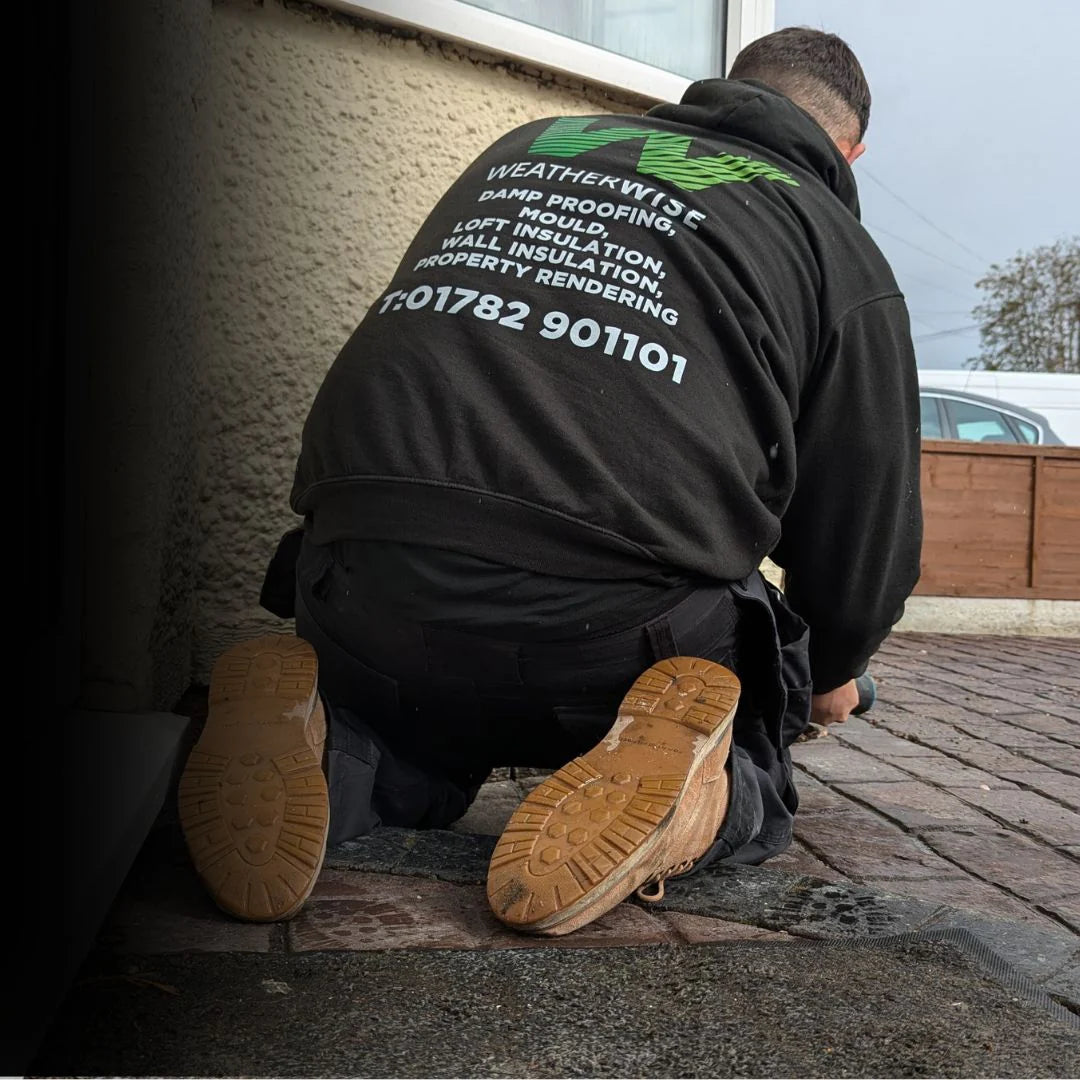

If you live in a modern home in Warrington (typically built post-1990) and you’re experiencing mould, condensation, or damp-looking patches, a damp survey should look very different from those carried out in older properties.
Modern homes are generally built with damp proof courses, cavity walls, and improved insulation. As a result, the majority of damp problems in newer properties are condensation-led, not structural damp. A professional survey must reflect this reality to avoid misdiagnosis and unnecessary work.
At Weather Wise Solutions — a family-run damp and ventilation specialist — our surveys in modern homes focus on moisture behaviour, ventilation performance, and condensation risk, rather than assuming a building defect.
🔍 What a Damp Survey Should Assess in Modern Homes
1️⃣ Condensation Dominance (The Primary Cause)
In post-1990 homes, damp is most often caused by excess internal moisture rather than water ingress.
A proper survey assesses:
-
Indoor humidity levels
-
Condensation patterns (where and when moisture forms)
-
Cold surfaces and dew point risk
This helps confirm whether condensation is driving the issue.
2️⃣ Ventilation Performance
Modern homes are more airtight. Without adequate ventilation, moisture becomes trapped.
A survey should check:
-
Extractor fan effectiveness
-
Background ventilation provision
-
Airflow pathways between rooms
-
Areas of stagnant air
Poor ventilation is one of the most common causes of mould in modern Warrington homes.
3️⃣ Thermal Bridging & Cold Spots
Even well-insulated homes can suffer from thermal bridging at:
-
Ceiling-to-wall junctions
-
Window reveals
-
Corners and boxed-in areas
These cold spots attract condensation and can look like “damp” without any water ingress.
4️⃣ Moisture Mapping (Not Just Spot Readings)
Single damp meter readings can be misleading in modern buildings. A proper survey maps moisture patterns across surfaces to understand whether readings are consistent with condensation rather than structural damp. Checking of Timbers in buildings for moisture ingress
5️⃣ Lifestyle & Occupancy Factors
Surveys in modern homes must consider:
-
Number of occupants
-
Cooking, bathing and drying habits
-
Heating patterns (especially overnight setbacks)
These factors significantly affect humidity levels.
6️⃣ Ruling Out Structural Defects (Not Assuming Them)
While less common, surveys should still check for:
-
Rainwater goods defects
-
External penetrations
-
Cavity bridging or poor detailing
The key is to rule these out, not assume they are the cause.
🔍 How We Carry Out Damp Surveys in Modern Warrington Homes
Our inspections typically include:
-
Internal and external visual assessment
-
Humidity measurement and condensation risk analysis
-
Ventilation checks and airflow assessment
-
Identification of cold surfaces and thermal bridges
-
Moisture mapping to understand patterns
-
Clear explanation of findings and next steps
This ensures the correct solution is recommended — often ventilation or humidity control rather than damp proofing.
🛠️ Professional Standards & Trusted Suppliers
Where materials or systems are required, we work with trusted suppliers including:
🔗 PAM Ties – https://www.pamties.co.uk/
🔗 Wykamol Group – https://wykamol.com/
All advice aligns with guidance from:
🔗 Federation of Damp – https://federationofdamp.co.uk/
🔗 Damp Proofing Association – https://www.dampproofingassociation.co.uk/
For independent reassurance, you can also view our profiles on:
🔗 TrustATrader – https://www.trustatrader.com/traders/weather-wise-solutions-limited-damp-surveyor-newcastle-under-lyme
🔗 Checkatrade – https://www.checkatrade.com/trades/weatherwisesolutionslimited
Modern homes need modern diagnosis.
Accurate surveys prevent unnecessary treatments and repeat problems.
📍 Book a free survey:
https://weatherwiseuk.co.uk/pages/contact