














The Windows, Corners, and Cold Walls Are Usually the First to Show It
Condensation tends to appear in the same places throughout the home. Water droplets collect along windows, black mould starts forming in room corners, and colder walls begin feeling damp long before the moisture problem becomes widespread.
Areas commonly affected include:
- Window panes and window reveals
- Corners of bedrooms and living spaces
- Walls hidden behind wardrobes or furniture
- Bathrooms with lingering steam
- Kitchens with frequent cooking moisture
- Cold external walls with limited airflow
- Rooms affected by stale or humid air
These conditions usually develop when warm indoor moisture cannot escape properly and settles onto colder surfaces around the property. Poor ventilation, trapped humid air, and reduced airflow all contribute to recurring condensation and mould growth indoors.

Why Condensation Builds Up Indoors
Condensation forms when warm, moist air settles onto colder surfaces inside the property. Everyday activities such as cooking, showering, drying clothes indoors, and even breathing gradually add moisture into the air throughout the day.
Problems usually develop when that moisture cannot escape properly. Poor ventilation, restricted airflow, cold external walls, single glazing, and poorly insulated surfaces all make condensation more likely to form around windows, corners, ceilings, and colder rooms.
In many homes, condensation develops because indoor humidity, limited ventilation, and cold surfaces are all affecting the property together.
-
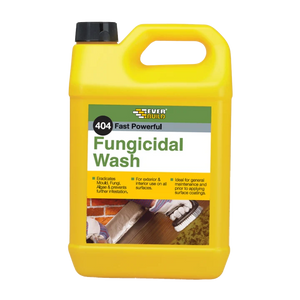
404 Everbuild Fungicidal Wash
Regular price From £11.99Regular price -
-£3.00
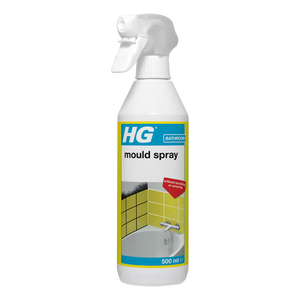
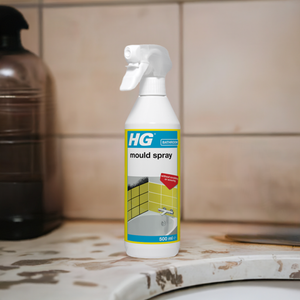
HG Mould Spray Effective Mould and Mildew Cleaner | Effective Black Mould Remover
Regular price £16.99Regular price£19.99-£3.00 Sale price £16.99 -
-£25.00
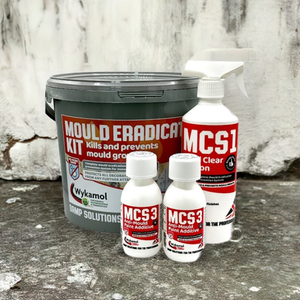
Mould Eradication Kit
Regular price £44.99Regular price£69.99-£25.00 Sale price £44.99 -
-£3.00
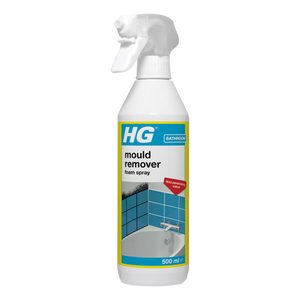
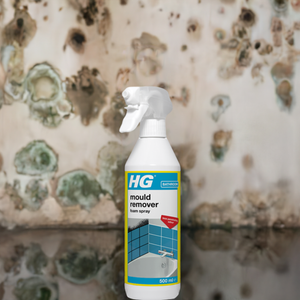
HG mould remover foam spray | Effective Mould Spray & Mildew Cleaner, Removes Mouldy Stains From Walls, Tiles, Silicone Seals & More
Regular price £15.99Regular price£18.99-£3.00 Sale price £15.99

Mould Cleaning Does Not Stop Condensation
Black mould can disappear temporarily after cleaning, though the condensation problem often returns when the same moisture conditions remain inside the property. Water vapour continues building indoors, settles onto colder surfaces, and gradually creates the same damp areas again.
Poor ventilation, trapped humid air, and restricted airflow are common causes, especially in bathrooms, kitchens, bedrooms, and modern homes with tightly sealed windows and reduced natural ventilation. Cold walls and colder sections of the property also allow condensation to form more easily.
Weather Wise surveys assess how moisture is building up indoors, which areas have limited airflow, and whether ventilation or insulation conditions are contributing to recurring condensation and mould growth.
Long-term condensation control depends on improving the indoor moisture conditions, not simply removing the visible mould from the surface.
How Weather Wise Deals with Condensation Properly
Condensation problems usually involve more than wiping water from windows or cleaning mould from the wall surface. The moisture builds up because humid indoor air is not escaping properly and continues settling onto colder parts of the property.
Weather Wise starts with a detailed assessment of how moisture is behaving inside the home. Ventilation levels, airflow restrictions, colder surfaces, mould-prone areas, and indoor humidity conditions are all checked to identify what is contributing to the condensation.
What the assessment and treatment process can include:
- Moisture and humidity assessments
- Ventilation and airflow checks
- Condensation diagnosis across affected rooms
- Mould treatment and prevention guidance
- Recommendations for improving airflow circulation
- Insulation and cold surface considerations
- Positive Input Ventilation (PIV) system recommendations where suitable
- Long-term moisture control planning
Where appropriate, Weather Wise can also recommend or install solutions such as PIV units designed to improve airflow and reduce moisture build-up within the property. The focus stays on controlling the conditions creating the condensation, not simply treating the visible mould afterwards.
Call 01782 901101 or arrange a free survey to have the property professionally assessed.
Positive Input Ventilation (PIV) Systems
Some homes continue struggling with condensation because humid indoor air has nowhere to escape properly. In these cases, a Positive Input Ventilation (PIV) system may help improve airflow throughout the property.
PIV units are usually installed in the loft and work by introducing filtered air into the home, helping reduce moisture build-up and condensation around colder rooms and surfaces.
Weather Wise assesses whether ventilation improvements, such as PIV systems, are suitable for the property before recommendations are made.
Some Damp Problems Look Almost Identical
Black mould, peeling paint, damp patches, and musty smells are often linked to condensation, though similar signs can also appear with rising damp, penetrating damp, or hidden plumbing leaks elsewhere in the property.
Moisture collecting around windows and colder walls may point toward poor ventilation and trapped humid air, while staining near ceilings, external walls, or skirting boards can sometimes indicate a different moisture source entirely.
Condensation is sometimes mistaken for rising damp or penetrating damp because mould, staining, peeling paint, and damp smells can appear across several different moisture problems. Rising damp usually affects lower wall sections and skirting boards, while penetrating damp is more commonly linked to water entering through external defects such as damaged render, pointing, roof problems, or guttering.
Weather Wise surveys assess ventilation, humidity levels, wall temperatures, moisture movement, and surrounding structural areas to identify what is actually causing the damp problem before treatment recommendations are made.
Call 01782 901101 or arrange a free damp survey to have the property professionally assessed.
When Is It Time to Arrange a Damp Survey?
A room that constantly feels cold or stale usually starts showing the effects somewhere nearby. Windows stay wet in the mornings, black spots creep back onto painted walls, and certain corners never seem to dry properly no matter how often they are cleaned.
Signs worth getting checked include:
- Recurring black mould growth
- Condensation collecting on windows
- Damp or stale smells indoors
- Black spotting around walls or ceilings
- Cold rooms with poor airflow
- Peeling paint or wallpaper
- Condensation forming inside the loft spaces
- Water collects around the windows each morning
These symptoms can point to excess indoor moisture, poor ventilation, or another damp problem affecting the property behind the surface.

Why Homeowners Choose Weather Wise
Condensation problems can be frustrating when the same mould patches and damp smells keep returning despite repeated cleaning and redecorating. In many homes, the issue is tied to airflow, humidity levels, insulation conditions, and how moisture moves through the property day to day.
Weather Wise brings more than 40 years of experience in damp proofing, moisture control, and ventilation assessments. Surveys are carried out before recommendations are made, helping identify which rooms are struggling with airflow, where moisture is building up, and what conditions are contributing to recurring condensation indoors.
Recommendations are tailored to the property itself and may include ventilation improvements, airflow guidance, moisture control measures, or condensation management solutions suited to the layout and condition of the home.
What You Get with a Free Survey
Windows steaming up each morning or mould returning to the same wall usually points to a bigger moisture and airflow issue somewhere within the property. The survey helps identify what conditions are allowing condensation to keep building indoors.
During the inspection, Weather Wise carries out moisture readings, ventilation assessments, and condensation checks across the affected areas of the home. Rooms prone to trapped humidity, restricted airflow, colder wall surfaces, and mould growth are all reviewed to understand how moisture is behaving throughout the property.
You also receive practical guidance on improving airflow, reducing indoor moisture build-up, and which condensation control or ventilation measures may be suitable for the property moving forward.
Call 01782 901101 or arrange a free survey to have the property professionally assessed.
Mould & Condensation Questions, Answered
The questions UK homeowners actually ask. Tap to expand.
Is condensation bad for walls?
Over time, condensation can damage paint, plaster, decorations, and surrounding surfaces, especially in areas affected by repeated moisture build-up.
Can ventilation help with condensation?
Yes. Improving airflow can help reduce trapped humid air and lower the amount of moisture settling on colder surfaces around the home.
How do you stop condensation permanently?
Long-term condensation control usually involves identifying the moisture source, improving ventilation, reducing trapped humidity, and addressing colder surfaces where moisture collects.
Is condensation more common in winter?
Yes. Condensation often becomes more noticeable during colder months because warm indoor air meets colder walls and windows more frequently.
Can a PIV unit help stop condensation?
In many homes, a properly installed PIV system can help reduce trapped humidity and improve airflow conditions that contribute to recurring condensation.
Why do my windows get condensation every morning?
This usually happens when warm indoor air settles onto colder glass surfaces overnight, particularly in bedrooms and poorly ventilated rooms.
Can condensation cause black mould?
Yes. Ongoing condensation creates damp surface conditions where black mould can gradually develop around walls, ceilings, windows, and colder corners of the property.