














The Early Signs of Damp and Mould Often Go Unnoticed
The first signs usually appear in everyday parts of the home. A darker patch near the ceiling, mould spots forming beside a window, paint beginning to lift from the wall, or a room that always feels colder and slightly damp compared to the rest of the property.
Common signs homeowners notice include:
- Black mould spots around walls or ceilings
- Condensation collecting on windows
- Peeling paint or lifting wallpaper
- Damp smells that linger indoors
- Cold walls affected by moisture build-up
- Damaged plaster or bubbling surfaces
- Dark staining around corners or external walls
- Moisture gathering near windows and colder rooms
These signs often connect to wider moisture conditions inside the property, whether caused by trapped humidity, water ingress, poor ventilation, or damp travelling through surrounding materials.

One Moisture Problem Can Trigger Another
Moisture problems inside a property often overlap. Condensation around cold walls can create the conditions where mould begins spreading, penetrating damp can damage plaster and decorations around exposed walls, and rising damp may gradually affect skirting boards, flooring edges, and nearby timber.
That overlap is one reason damp problems are frequently misdiagnosed. A mould patch near a window may point toward condensation and poor airflow, while staining on a chimney breast or external wall could relate to water entering from outside the property.
Weather Wise surveys assess how moisture is behaving across the building as a whole, helping identify whether the issue involves condensation, penetrating damp, rising damp, ventilation problems, or several conditions affecting the property together.
Mould and Moisture Tend to Spread
A mould patch in one corner of the room or damp staining along a wall can gradually start affecting nearby surfaces and surrounding materials throughout the property. Moisture conditions rarely stay isolated once airflow, humidity, or water ingress problems continue indoors.
Areas commonly affected include:
- Internal walls and ceilings
- Decorations, paintwork, and wallpaper
- Timber around damp surfaces
- Skirting boards and flooring edges
- Furniture positioned against colder walls
- Rooms affected by recurring condensation
- Air quality in mould-prone areas
- Colder spaces where moisture settles regularly
Weather Wise surveys assess how moisture is moving through the property and whether surrounding areas are already showing signs of damp, condensation, or mould-related damage.
Call 01782 901101 or arrange a free damp survey to have the property professionally assessed.

How Weather Wise Diagnoses Moisture Problems Properly
Moisture problems inside a property can develop from several different sources at the same time, which is why Weather Wise focuses on diagnosing how damp is behaving throughout the building before recommending any treatment.
Surveys assess whether the issue involves condensation, penetrating damp, rising damp, trapped humidity, poor ventilation, or moisture moving through surrounding structural areas. The goal is to identify the conditions creating the problem, not simply deal with the visible mould or staining afterwards.
The survey and assessment process can include:
- Damp surveys across affected areas
- Moisture readings and humidity checks
- Ventilation and airflow analysis
- Rising damp inspections
- Penetrating damp assessments
- Mould and condensation evaluations
- Timber and surrounding material checks where required
- Treatment and moisture control recommendations
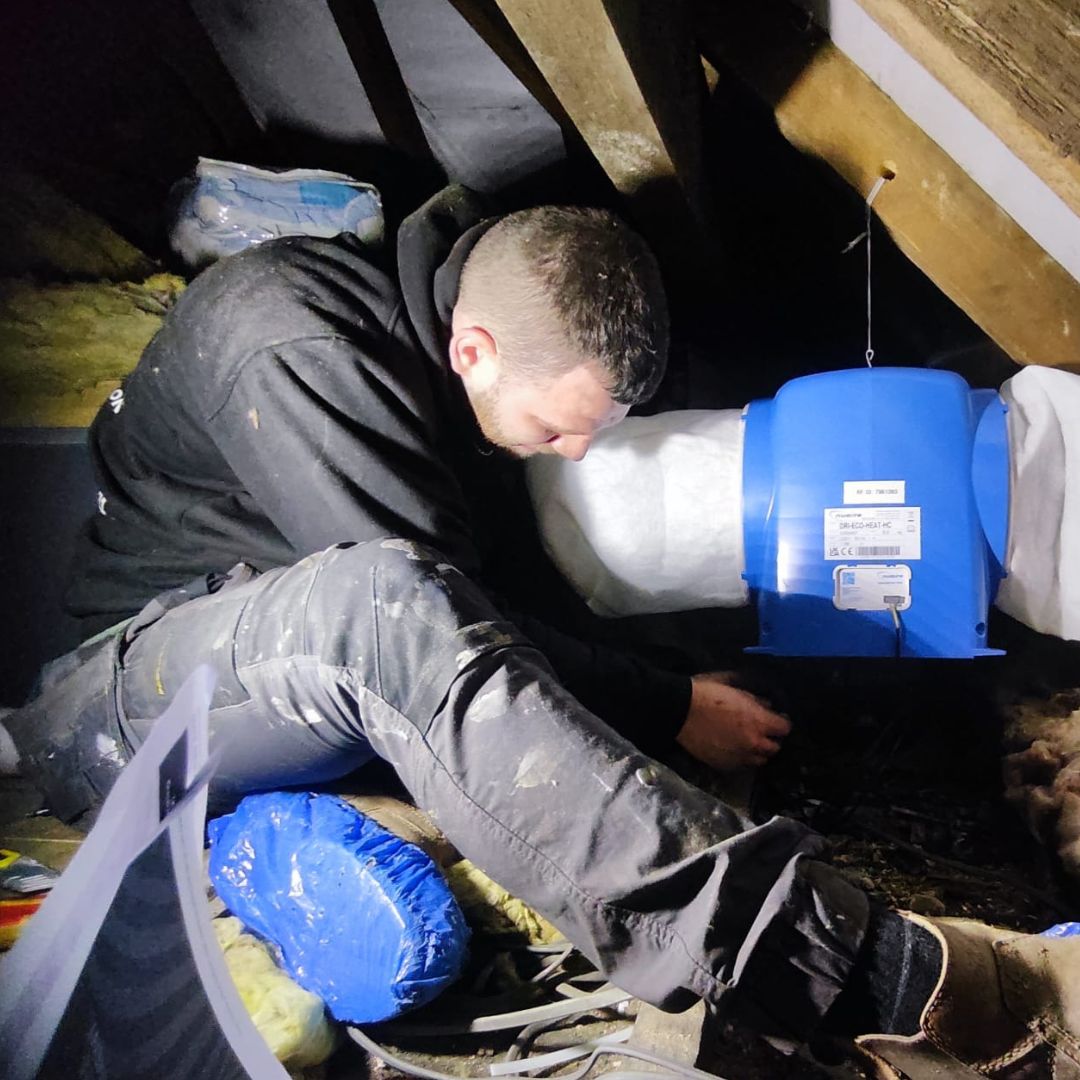
Where appropriate, Weather Wise may also recommend ventilation improvements, damp proofing systems, insulation measures, waterproofing solutions, or timber preservation treatments, depending on how moisture is affecting the property.

Covering the Signs Does Not Remove the Moisture Behind Them
Repainting stained walls or cleaning mould can improve the appearance of a room temporarily, though the underlying moisture problem often remains active behind the surface. That is why mould growth, damp smells, bubbling plaster, and staining frequently return to the same areas again.
In some homes, humid air becomes trapped around colder rooms and poorly ventilated spaces. In others, moisture continues entering through damaged render, defective pointing, failed gutters, roof defects, or untreated damp elsewhere in the structure.
Weather Wise surveys investigate the wider conditions affecting the property, helping identify why the issue keeps returning before treatment recommendations are made.
Call 01782 901101 or arrange a free damp survey to have the property professionally assessed.

The Signs May Look Similar. The Cause Often Is Not.
Two walls can show similar staining while the moisture behind them comes from completely different problems. Condensation may create mould around colder rooms and windows, rising damp usually affects lower wall sections and skirting boards, while penetrating damp often appears around exposed walls or areas affected by external water ingress.
Plumbing leaks can also leave behind damp patches, bubbling plaster, peeling paint, and musty smells that closely resemble other forms of damp inside the property.
That overlap is why proper diagnosis matters before any treatment work begins. Ventilation changes will not solve moisture entering through masonry, and damp proofing alone will not fix condensation caused by trapped humid air indoors.
Weather Wise surveys assess moisture patterns, wall conditions, airflow, humidity levels, and surrounding structural areas to identify what type of damp problem is actually affecting the property before recommendations are made.
The Three Main Types of Damp Problems
-

Rising Damp
Learn more about rising dampDevelops when groundwater moves upward through porous brickwork and masonry. Usually affects ground-floor walls, leaving tide marks, damaged skirting boards, salt deposits, and blown plaster close to floor level. Older Victorian and Edwardian properties are especially vulnerable.
-

Penetrating Damp
Learn more about penetrating dampHappens when water enters the property from outside through damaged render, cracked brickwork, failed pointing, leaking gutters, or roof problems. Signs are usually more localised than rising damp and worsen after heavy rainfall.
-

Condensation & Mould
Learn more about condensationForms when warm, humid air meets colder surfaces inside the property. Often leads to black mould around windows, corners, ceilings, and behind furniture. Cooking, showering, and drying clothes indoors all contribute.


Quick Comparison Guide
-
Condensation Signs
- Condensation collecting on windows
- Black mould behind furniture or in colder corners
- Mould in poorly ventilated rooms
-
Rising Damp Signs
- Tide marks near skirting boards
- Damp smells at lower wall level
- Salt deposits or blown plaster near floor
-
Penetrating Damp Signs
- Damp patches worsening after rainfall
- Bubbling plaster on external walls
- Staining around chimney breasts or windows
When Is It Time to Arrange a Damp Survey?
Some moisture problems settle into the background of daily life for a while. The room smells damp after the windows stay closed, mould keeps returning behind furniture, and certain walls never quite feel dry no matter how often they are cleaned or redecorated.
Signs worth getting checked include:
- Black mould returning repeatedly
- Persistent damp or musty smells
- Bubbling paint or lifting wallpaper
- Condensation forming regularly on windows
- Cold walls affected by moisture
- Damp patches that continue spreading indoors
These symptoms can point to ventilation issues, trapped humidity, water ingress, rising damp, or overlapping moisture problems affecting the property together.
Call 01782 901101 or arrange a free damp survey with Weather Wise to have the property professionally assessed.

Why Homeowners Choose Weather Wise
Moisture problems can be difficult to pin down when mould, condensation, damp patches, and cold walls all start appearing around different parts of the property at the same time. Knowing which issue is causing what damage makes a major difference to the treatment recommended afterwards.
Weather Wise brings more than 40 years of experience in damp proofing, ventilation, waterproofing, and structural moisture control, with surveys carried out before work is recommended. The company is also a member of the Damp Proofing Association and offers insurance-backed guarantees on qualifying work.
Assessments focus on the actual condition of the property, helping homeowners understand whether the problem involves condensation, rising damp, penetrating damp, trapped humidity, or several moisture conditions affecting the structure together. Recommendations are tailored to the findings of the survey, not based on surface symptoms alone.
What You Get with a Free Survey
Moisture problems are not always limited to the visible staining or mould patch that first appears on the wall. The survey is designed to assess the wider conditions affecting the property and identify what type of damp problem is present.
During the inspection, Weather Wise may carry out:
- Moisture meter readings across affected walls and surrounding areas
- Humidity and ventilation assessments
- Checks for condensation-related mould risks
- External inspections of walls, render, pointing, and guttering, where relevant
- Rising damp and penetrating damp assessments
- Identification of cold surfaces and airflow issues
- Timber inspections where moisture exposure may have affected surrounding materials
You also receive clear guidance on the findings, whether treatment is recommended, and which moisture control measures may be appropriate for the property moving forward.
Call 01782 901101 or arrange a free survey with Weather Wise to have the property professionally assessed.
What Our Customers Have To Say
Damp & Mould Questions, Answered
The questions UK homeowners actually ask. Tap to expand.
Is mould always caused by condensation?
No. Condensation is a common cause, though mould can also appear where damp walls, leaks, or trapped moisture are affecting the property.
Can damp damage timber and plaster?
Yes. Ongoing moisture exposure can weaken plaster, damage decorations, affect timber, and contribute to further structural deterioration if left untreated.
Why does mould keep returning?
Mould often returns when the moisture conditions causing it are still present. Cleaning the surface alone usually does not remove the underlying damp problem.
How do you identify different damp problems?
Different damp issues are identified through moisture readings, ventilation checks, wall condition assessments, and inspecting how moisture is moving through the property.
Can ventilation help reduce mould?
Yes. Improving airflow and reducing trapped humid air can help lower condensation levels and reduce conditions where mould develops indoors.