













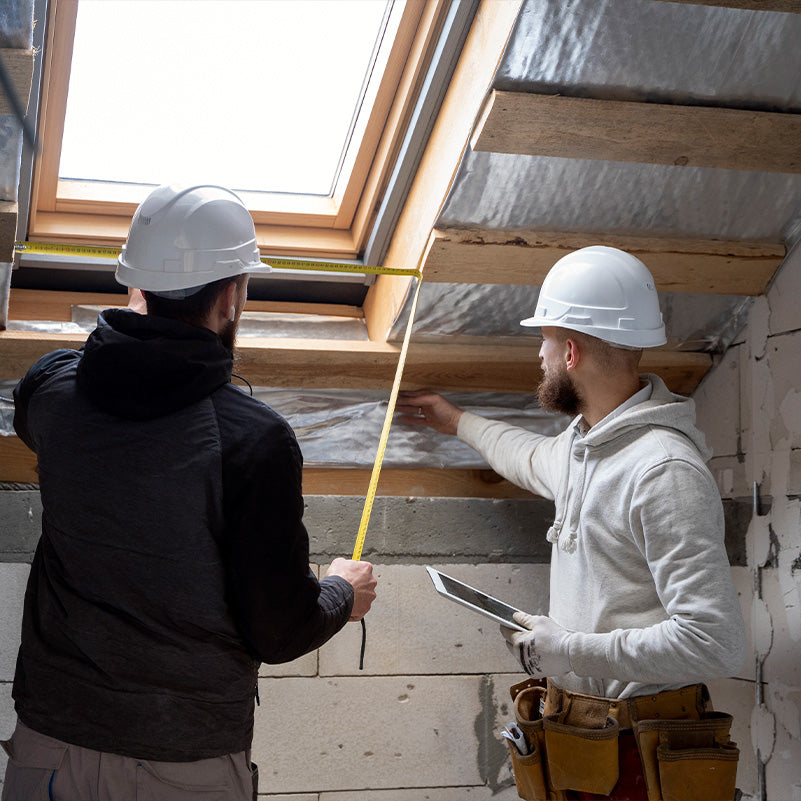
We Don't Guess. We Fit What Your Loft Needs
Your loft insulation is only effective if it suits the way your home loses heat. Weather Wise does not install a standard setup. Everything starts with a survey to check what is already in place, where heat is escaping, and how the loft is being used.
From there, the insulation is selected to fix those exact issues, not just to fill space.
What we install based on your loft:
- Mineral wool with boarding: Fitted to retain heat while keeping the loft usable for storage without affecting performance.
- Open cell spray foam: Applied to seal gaps and uneven areas, creating a continuous layer where heat would otherwise escape.
- Radiant reflective barrier: Installed to control heat movement through the roof, helping maintain more stable indoor temperatures.
You get insulation that is fitted to solve the problem in your home, not a generic approach applied to every loft.
Why pay to heat your home, only to lose it through the roof? Book your free survey today and stop heat escaping before it costs you another winter.
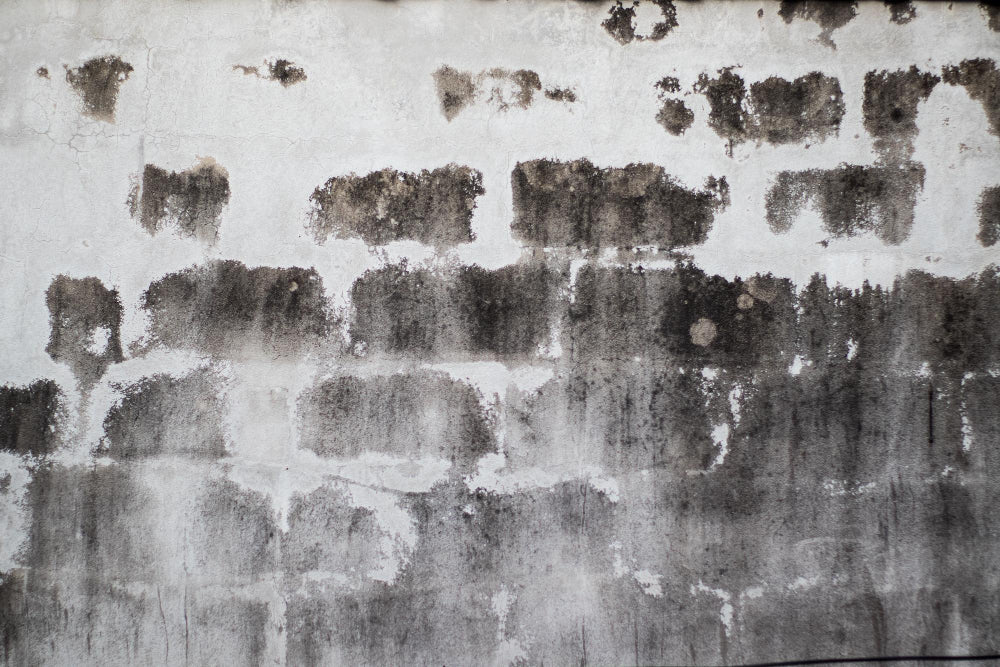
Older Loft Insulation Often Stops Performing Properly
Many lofts already contain insulation, though that does not always mean it is still performing efficiently. Older material can become compressed, uneven, poorly fitted around edges, or disturbed during storage, boarding, and electrical work.
In some properties, insulation has been installed without proper airflow considerations, which can contribute to trapped moisture and condensation forming inside the loft space.
Weather Wise checks the condition, coverage, and layout of the existing insulation before recommending upgrades or replacement work.
Loft Insulation Needs More Than Extra Thickness
Adding more insulation does not always improve loft performance if gaps, compressed material, blocked airflow, or uneven coverage are still present around the roof space.
Weather Wise checks ventilation routes, insulation condition, loft layout, and difficult edge areas before recommending upgrades or replacement work.
The aim is steady thermal performance without trapping moisture inside the loft structure.

Fitted Right So You Feel the Difference Straight Away
Loft insulation only works if it is installed properly. With Weather Wise, the focus is on getting it right from the start, so you actually notice the results.
We make sure:
- Heat is kept in, not lost through gaps
- Your loft remains ventilated and dry
- The insulation performs as it should from day one

Loft Condensation That Leads to Damp if Ignored
Moisture in your loft builds up when warm air rises and meets colder surfaces. You may not see it straight away, but it often shows up as damp patches, mould, or a musty smell over time.
Left unchecked, this can affect insulation performance, damage timber, and create ongoing moisture problems across the property.
Weather Wise checks how air moves through your loft and where moisture is getting trapped. The solution focuses on correcting airflow and insulation together, so moisture can escape and surfaces stay stable.
We make sure:
- Moist air has a clear route out of the loft
- Ventilation supports airflow without heat loss
- Insulation does not trap moisture
Reflective Barrier Loft Insulation That Works Year-Round
Heat does not only escape through your roof, it also builds up there. A reflective barrier deals with both. Our team installs radiant barrier insulation that reflects heat back into your home during colder months and deflects it away when temperatures rise.
This changes how your loft handles temperature throughout the year, helping your home stay more balanced without constant heating or cooling.
What you get from this system:
- Lower energy use as heat is better controlled
- Reduced moisture buildup in the loft space
- More stable indoor temperatures
- Certified materials produced to UK standards

Why Homeowners Choose Weather Wise
Loft insulation performs best when airflow, coverage, and heat retention are considered together. Weather Wise combines insulation experience with damp and ventilation knowledge to assess how the loft space is functioning before any work is recommended.
Each survey looks at existing insulation condition, ventilation routes, moisture risk, and areas where thermal performance may already be compromised. Recommendations are based on how the loft is built and used, helping avoid problems caused by unsuitable materials or poorly fitted insulation.

Cold Loft? That's Where We Start
Uneven loft temperatures, cold upper rooms, and rising heating demand often point to insulation that is no longer performing efficiently. A loft survey helps identify coverage gaps, restricted airflow, moisture concerns, and areas where thermal performance may already be declining.
Weather Wise assesses the condition of the loft space before recommending any upgrade work.
Loft Insulation Questions, Answered
The questions UK homeowners actually ask. Tap to expand.
How much does loft insulation cost in the UK?
Costs vary depending on the size of your loft, the type of insulation used, and whether existing insulation needs upgrading or removing. Basic mineral wool installations are generally lower cost, while options like spray foam or added boarding increase the price. A proper survey is the only way to get an accurate figure for your property.
Is loft insulation worth it?
Yes. A large amount of heat is lost through an uninsulated roof. Proper loft insulation helps reduce that loss, which can lower energy use and make your home feel warmer and more stable throughout the day.
How long does loft insulation last?
When installed correctly, loft insulation can last several decades. In many cases, mineral wool insulation can perform effectively for 40 years or more, provided it stays dry and undisturbed.
Can I install loft insulation myself?
It is possible, but not always advisable. Incorrect installation can leave gaps, block ventilation, or trap moisture, which reduces performance and can lead to damp issues. A professional installation ensures the insulation works as intended.
Can loft insulation cause condensation problems?
Poorly installed insulation or blocked ventilation can contribute to trapped moisture inside the loft. Proper airflow is important to help prevent condensation from forming around colder roof areas.
Should old loft insulation be replaced?
Not always. Existing insulation may still perform well if it remains dry, evenly fitted, and in good condition. Surveys help determine whether upgrades or replacements are actually necessary.
Can I board over the loft insulation?
Loft boarding can affect insulation performance if it compresses the material underneath or blocks ventilation pathways. Raised boarding systems are often used to maintain airflow and insulation depth.