



























Wet Rot Loves the Spots Nobody Checks Often Enough
Wet rot tends to develop in places where timber stays damp for long periods without properly drying out. Slow pipe leaks, roof damage, trapped condensation, poorly ventilated subfloors, and damp basement areas can all create the kind of conditions timber struggles to cope with.
The signs are often easy to overlook at first. Wood may appear darker than usual, feel soft under pressure, develop a musty smell, or start weakening around skirting boards and floorboards. Peeling paint and damp patches nearby can also point to moisture sitting behind the surface for longer than it should.
With decades of damp and timber treatment experience, Weather Wise helps identify the source early before the damage spreads further through the property.

The Weather Wise Approach to Long-Term Wet Rot Repair
Replacing damaged timber without dealing with the moisture behind it is a bit like repainting a ceiling while the roof is still leaking. The visible damage may disappear for a while, but the conditions causing the decay are still sitting underneath.
That is why Weather Wise starts with a full inspection of the property before recommending treatment. Moisture levels, ventilation issues, affected timber, and hidden damp entry points are all checked to understand how the decay developed and how far it has travelled.
What the treatment process includes:
- Identifying the moisture source feeding the wet rot
- Inspecting floor joists, roof timbers, skirting boards, and subfloors
- Removing weakened timber where replacement is necessary
- Applying specialist wet rot treatment to affected areas
- Improving airflow to help timber dry properly
- Helping protect the structure against recurring moisture damage
With more than 40 years of experience in damp proofing and timber preservation, the focus stays on solving the conditions behind the decay, not masking the symptoms for a temporary fix.

Fix the Timber, Ignore the Moisture, See the Problem Again
Wet rot needs one thing to keep spreading: persistent moisture. Water entering through damaged brickwork, leaking pipework, roof issues, trapped condensation, or poor airflow can leave timber exposed to damp conditions for far longer than it should be.
Weather Wise investigates the surrounding environment as carefully as the visible timber damage. Moisture readings, ventilation checks, and damp assessments help identify what is feeding the decay beneath floors, behind walls, or inside roof spaces.
Replacing weakened wood without correcting those conditions often leads to the same problem returning later. Proper wet rot treatment depends on controlling the moisture source as much as repairing the affected timber itself.

Why Homeowners Choose Weather Wise
Wet rot problems are rarely limited to the timber you can see. Damp conditions, hidden moisture, poor airflow, and long-term water exposure usually play a part somewhere in the background. That wider understanding is what shapes how Weather Wise approaches treatment.
With more than 40 years of experience in damp proofing and timber preservation, every project begins with a proper survey before any recommendations are made. Moisture readings, timber condition, ventilation, and the surrounding structure are all assessed to understand what the property actually needs.
Some homes require targeted timber replacement. Others need damp control or airflow improvements first. The focus stays on protecting the structure properly, not carrying out surface-level repairs that fail once the moisture returns.
What You Get with a Free Survey
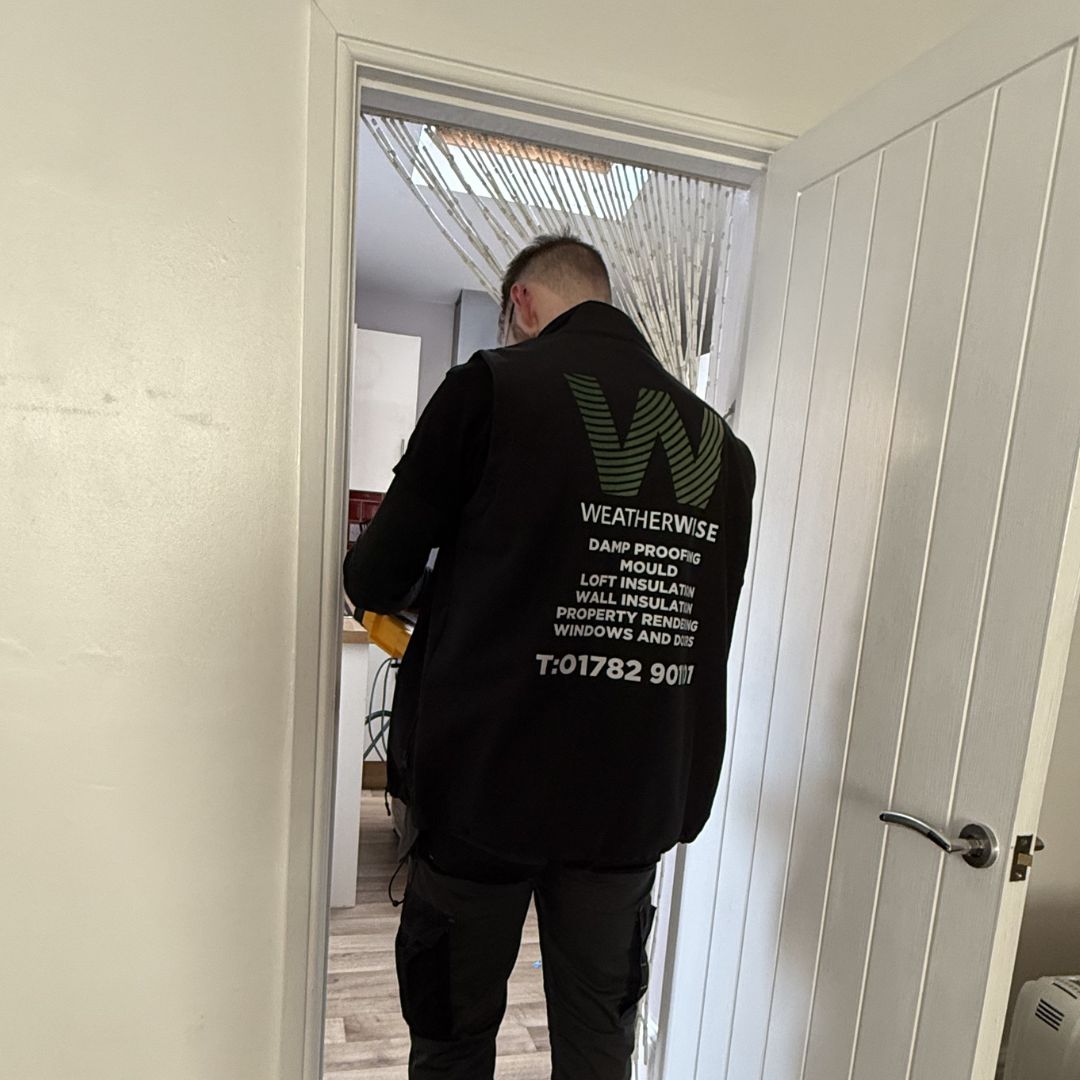
Wet rot damage is often more widespread than the surface signs first suggest. A soft skirting board or damp patch nearby can sometimes point to moisture affecting timber beneath floors, around roof spaces, or inside surrounding structures.
During the survey, Weather Wise checks moisture levels, inspects affected timber, assesses how far the decay may have spread, and investigates where damp conditions are developing within the property. You also receive practical guidance on what is causing the issue and which treatment options are genuinely suitable for the building.
Even if no work is carried out immediately, the survey gives you a clearer picture of the condition of the timber and the moisture risks affecting the property.
Wet Rot Treatment Questions, Answered
The questions UK homeowners actually ask. Tap to expand.
What causes wet rot?
Wet rot develops when timber stays exposed to excess moisture for long periods. Common causes include leaking pipework, roof leaks, penetrating damp, condensation, and poor ventilation around timber structures.
Is wet rot serious?
Wet rot can weaken timber over time and affect floorboards, joists, skirting boards, roof timbers, and other wooden structures. The earlier it is identified, the easier it is to control and repair.
Can wet rot spread?
Wet rot does not spread through masonry in the same way dry rot can, but the decay will continue affecting nearby timber if damp conditions remain present.
What does wet rot look like?
Signs can include darkened timber, soft or spongy wood, peeling paint nearby, musty smells, weakened floorboards, and visible cracking or crumbling in affected wood.
Does wet rot need timber replacement?
Not always. Some timber can be treated if the damage is limited, while heavily weakened or structurally unsafe wood may need replacing. A survey helps determine the condition properly.
How long does wet rot treatment take?
Treatment time depends on how extensive the moisture damage is, how much timber is affected, and whether repairs or ventilation improvements are also required.
Can wet rot develop beneath floors or inside walls?
Yes. Wet rot often develops in enclosed areas where timber stays exposed to long-term damp conditions and restricted airflow, including beneath floors, behind walls, and around roof spaces.