



























Woodworm Rarely Makes a Dramatic Entrance
Woodworm activity usually begins with small signs that are easy to dismiss at first. Tiny holes in timber, fine wood dust beneath beams or floorboards, weakened wood around loft spaces, or timber that starts breaking down more easily than expected can all point to an active infestation.
In some homes, the damage appears around roof timbers, joists, skirting boards, or older wooden furniture where moisture and poor ventilation have affected the timber condition over time.
With decades of experience in timber treatment and damp control, Weather Wise carries out detailed inspections to check whether the infestation is active, how far the damage has spread, and whether structural timber has been affected.
Structural timber affected over long periods can gradually weaken floor stability, roof support areas, and surrounding woodwork if infestation and moisture conditions continue unchecked.

One Infested Beam Often Means Checking the Rest
Woodworm activity can affect far more than a single piece of timber. In many properties, infestations spread across multiple wooden structures, especially where timber has been exposed to moisture or poor ventilation for long periods.
Areas commonly affected include:
- Roof timbers and loft structures
- Floor joists beneath floorboards
- Wooden beams and structural supports
- Skirting boards and staircases
- Timber flooring and subfloors
- Older wooden furniture and fitted woodwork
Weather Wise checks the condition of surrounding timber during inspection to assess how widespread the infestation may be and whether any structural wood has been weakened.
A professional survey can help identify hidden timber damage before repair work becomes more extensive.

How Weather Wise Identifies and Treats Woodworm Properly
A few visible holes in the timber rarely show the full picture. Woodworm activity can continue inside beams, floor joists, loft structures, and hidden timber long after the first signs appear on the surface.
Weather Wise carries out detailed inspections to identify active infestation, assess moisture levels, and check how far the damage has spread through surrounding woodwork before treatment begins.
What the treatment process includes:
- Full timber inspection across affected areas
- Identifying signs of active woodworm infestation
- Moisture assessments to check timber conditions
- Specialist treatment application to the affected wood
- Inspection of joists, beams, loft timbers, and floorboards
- Advice on timber replacement where damage is severe
- Prevention measures to help reduce future infestation risk
With more than 40 years of experience in timber preservation and damp control, the focus stays on protecting the structure properly, not carrying out short-term cosmetic treatment.
Several different wood-boring beetles can affect timber in UK properties. Common Furniture Beetle is the species most frequently found in roof timbers and floorboards, while older buildings may occasionally experience more serious infestations involving species such as Death Watch Beetle in damp hardwood timber.

When Timber Holds Moisture, Woodworm Gets Comfortable
Woodworm activity is far more common in timber that stays damp for long periods. Moisture weakens the condition of the wood and creates an environment where infestation can develop more easily, especially in older properties with limited airflow.
Common contributing conditions include:
- Damp loft spaces and roof timbers
- Condensation build-up around timber structures
- Poorly ventilated subfloors and crawl spaces
- Timber affected by penetrating damp or leaks
- Wood with consistently high moisture levels
This connection between damp and timber infestation is why Weather Wise checks surrounding moisture conditions during woodworm inspections, not just the visible holes in the timber.

Why Homeowners Choose Weather Wise
Not every piece of affected timber needs replacing, and not every woodworm problem calls for the same treatment plan. Proper diagnosis matters just as much as the treatment itself.
Weather Wise brings more than 40 years of experience across timber preservation, damp proofing, and structural moisture control. Before any work is recommended, the property is surveyed to assess infestation activity, timber condition, moisture levels, and whether surrounding woodwork may also be affected.
Recommendations are based on what the property actually needs, whether that involves targeted treatment, replacement of weakened timber, or addressing damp conditions contributing to the problem.
What You Get with a Free Survey
Woodworm damage is not always easy to judge from the surface alone. Small exit holes or weakened timber can sometimes point to a larger infestation hidden within surrounding woodwork, loft structures, or floor timbers.
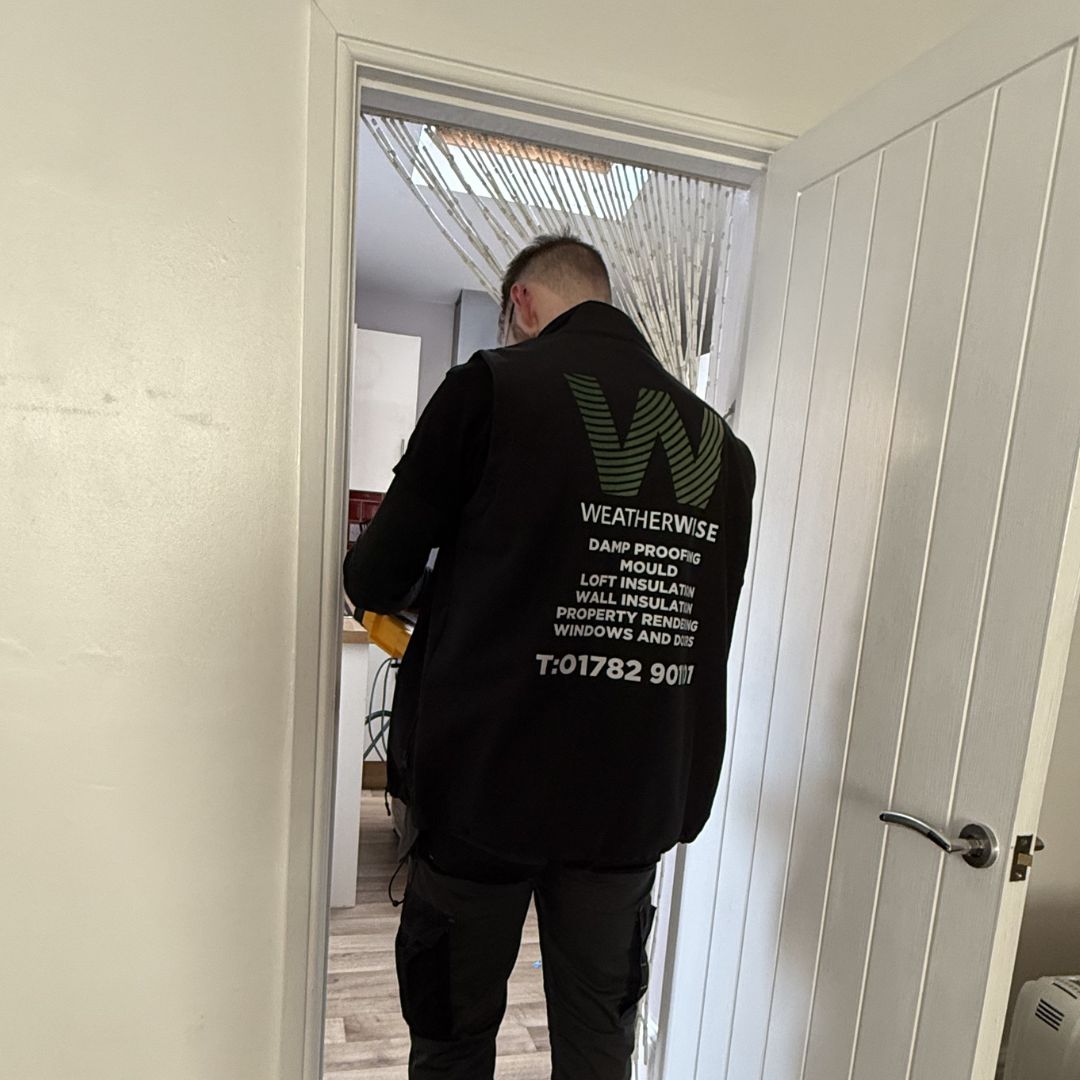
During the survey, Weather Wise inspects the affected timber, checks for signs of active infestation, assesses moisture levels, and reviews the overall condition of structural wood where required. The inspection also helps identify whether damp conditions or poor ventilation may be contributing to the problem.
You will receive clear guidance on the condition of the timber, whether treatment is recommended, and if any repair or replacement work may be necessary.
Even if no work is carried out immediately, the survey gives you a clearer understanding of the condition of the property and the next steps worth considering.
Woodworm Treatment Questions, Answered
The questions UK homeowners actually ask. Tap to expand.
Is woodworm dangerous?
Woodworm can weaken timber over time if left untreated, particularly in structural wood such as floor joists, roof timbers, and beams. Early treatment helps limit further damage.
Can woodworm spread?
Yes. Adult beetles can lay eggs in nearby timber, which means infestations may gradually spread through surrounding woodwork if conditions remain suitable.
How do I know if woodworm is active?
Fresh exit holes, fine wood dust around timber, crumbling wood, and new beetle activity during warmer months can all indicate an active infestation. A professional inspection helps confirm whether the woodworm is still active.
Does all affected timber need replacing?
Not always. Some timber can be treated and preserved if the damage is limited. Heavily weakened or structurally unsafe wood may require replacement.
How long does woodworm treatment last?
Professional woodworm treatment is designed as a long term solution when applied correctly and when the surrounding timber conditions are properly managed.
Can woodworm affect structural timber?
Yes. Over time, active woodworm infestation can weaken structural timber such as joists, beams, floorboards, and roof timbers if the damage becomes extensive.
Does damp cause woodworm?
Damp conditions do not directly create woodworm, though timber affected by excess moisture and poor ventilation is often more vulnerable to infestation.